Carpet Cleaning Greeley CO Solutions for Pet Owners
@tituszlxv746
November 25, 2026 · 14 min read


Living with pets changes how you look at carpet. A cream-colored living room that seemed practical before the first puppy can turn into a map of muddy paw traffic, fur buildup, and those occasional accidents that appear at the worst possible time. Pet owners in northern Colorado know this especially well. Between spring mud, dry winter air, and the daily wear that comes from active dogs and indoor cats, carpets in Greeley homes take a beating.
That does not mean carpet is a bad choice for pet households. It means carpet needs a smarter care plan. The right approach is not just about making the floor look clean for a day. It is about removing odor at the source, protecting the backing and pad, and keeping the indoor environment healthy for the people and animals living there. When homeowners search for Carpet Cleaning Greeley CO services, what they usually need is not a generic steam clean. They need a method that accounts for pet behavior, local climate, and the difference between a surface issue and a deeper contamination problem.
Why pet messes are harder on carpet than most people realize
A visible stain is only part of the problem. Pet accidents soak downward. If urine reaches the carpet backing or pad, it can linger long after the top fibers seem dry. Over time, salts and proteins in the residue attract moisture from the air. That is one reason an old spot can seem to disappear, then suddenly smell again on a humid day or after a deep cleaning.
Fur and dander add a separate challenge. Hair wraps around carpet fibers and clings along baseboards, under furniture edges, and in traffic lanes. Dander is finer and less obvious, but it settles into the pile and can stay there even in homes that are vacuumed regularly. Add tracked-in soil from dog walks, and the carpet starts acting like a filter that never gets fully emptied.
There is also the behavior side. Pets often return to places where they can still detect previous scent markers. Humans may not notice the odor anymore, especially if they live with it every day, but a dog certainly can. That is why a stain that was “cleaned” with a towel and store spray may become a repeat spot.
The Greeley factor
Greeley homes deal with a mix of conditions that affect carpet care. Dry air can make residues seem less noticeable for a while, but it also allows fine dust to settle deep into fibers. During wet months, lawns and sidewalks contribute mud and gritty debris that gets walked indoors. That grit is abrasive. Every step works it deeper, wearing down the yarn and dulling the appearance of the carpet.
Many pet owners assume frequent vacuuming alone is enough. It helps, and it matters, but vacuuming is maintenance, not restoration. Once odor compounds or oily soils bind to the fibers, more than suction is needed. That is where professional Carpet Cleaning Greeley CO providers can make a real difference, provided they use methods suited to pet-related issues rather than a one-size-fits-all process.
Not all pet stains need the same treatment
Experience matters because pet problems rarely look identical from one home to another. A fresh puppy accident on synthetic carpet in a spare bedroom is one thing. An old recurring urine spot in a heavily used family room is another. Cat urine presents its own difficulties because of its concentration and odor strength. Vomit, tracked litter, and oily pet body soils along favorite resting areas all require different judgment.
A technician who understands pet-related carpet cleaning will usually ask several questions before beginning. How old is the stain? Was anything already applied? Is the odor strongest on humid days? Does the pet keep returning to the same area? Is the carpet over concrete or wood subfloor? Those details are not small talk. They help determine whether treatment should focus on the face fibers, deeper flushing, pad contamination, or in severe cases, partial replacement.
One common mistake is over-wetting. Homeowners trying to scrub out an accident often soak the area with water or consumer cleaner. That can spread the contamination, push it deeper, and make drying slower. Slow drying encourages microbial growth and can create a musty smell that gets layered on top of the original pet odor. Good carpet cleaning is not just about applying product. It is about controlled chemistry, agitation where appropriate, extraction, and drying.
What professional pet-focused carpet cleaning usually involves
The best results come from a process, not a miracle bottle. In homes with pets, professionals often begin with a close inspection under normal light and sometimes with detection tools for hidden contamination. The goal is to distinguish between general soil and actual urine damage.
Pre-treatment breaks down oily residues and loosens embedded soil. High-traffic pet paths may need extra attention because body oils from fur collect there, especially where dogs lie against the same edge of a sofa or sleep near a hallway wall. Stain treatment comes next, but it should be matched to the stain type. Protein-based issues respond differently than tannins, mud, or dye transfer.
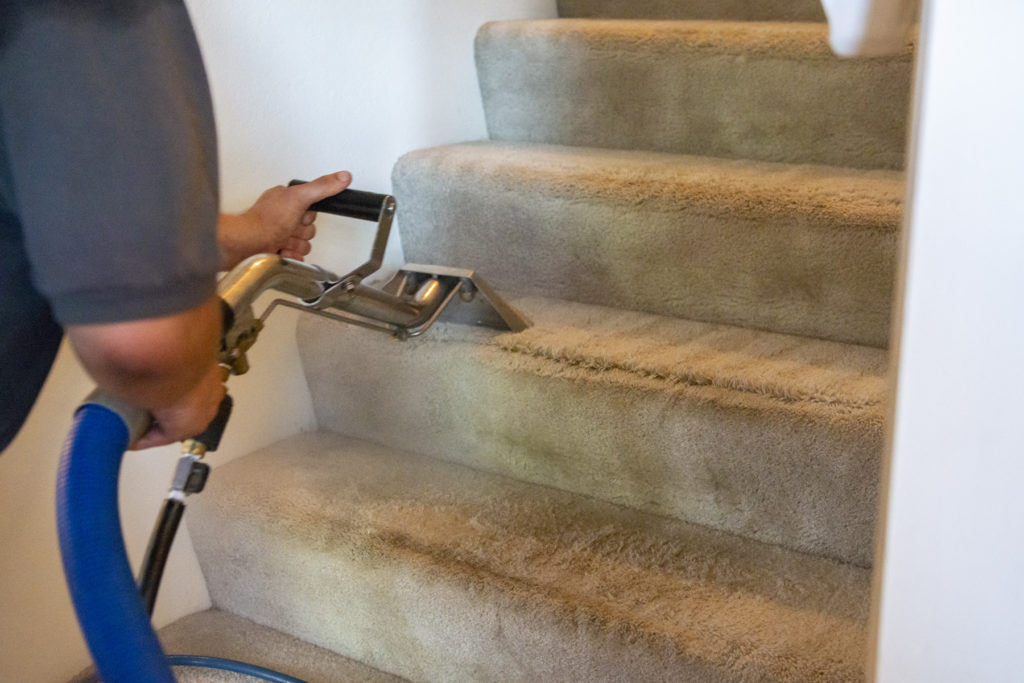
Extraction is where a lot of the real work happens. Hot water extraction, when performed correctly, is still one of the most effective methods for rinsing suspended soils from carpet. But technique matters. The operator must balance heat, pressure, dwell time, and recovery so the carpet is thoroughly cleaned without being left overly wet. In pet homes, deodorizing may also be part of the service, though true deodorization depends on removing the source, not just masking smell with fragrance.
For deeper urine issues, subsurface extraction or flushing may be necessary. That sounds technical, but the principle is simple. If contamination has gone beyond the top layer, the treatment needs to reach beyond the top layer too. In severe cases, honest contractors will tell a homeowner when cleaning alone is unlikely to solve the problem. That kind of candor is worth a lot.
Signs your carpet needs more than routine cleaning
Pet owners often wait until the odor becomes obvious, but by then the issue may already be set deep in the carpet system. A few warning signs are worth paying attention to:
- Certain rooms smell stronger after the heat turns on or after a rainy day.
- Your pet repeatedly sniffs or marks the same area.
- Spots reappear after they seemed to be gone.
- The carpet feels stiff or crunchy in isolated patches.
- Discoloration is visible around the edges of a stain, not just at the center.
When those signs show up, standard cleaning may improve appearance without fully fixing the odor. That is the point where a more targeted Carpet Cleaning Greeley CO service becomes the practical choice.
Enzyme treatments, deodorizers, and the truth about odor removal
Product labels have trained people to think every pet issue needs enzymes. Sometimes that is true. Sometimes it is not the full answer. Enzyme and bacteria-based treatments can be helpful because they digest organic residues over time. They tend to work best when the contamination is organic, the product is applied correctly, and the area remains in the conditions needed for the treatment to do its job.
The problem is that many homeowners either use too little product or apply it only to the visible spot. If the urine spread sideways under the carpet, treating the top center alone will not resolve the odor. On the other hand, saturating the entire room with pet treatment is unnecessary and can create its own drying issues.
Deodorizers have a place too, but they should not be confused with source removal. A light deodorizer can make a room smell fresher after proper cleaning. It cannot replace extraction when the pad is contaminated. Fragrance might fool visitors for a day. It will not fool a dog.
A reliable professional will usually explain this plainly: if odor remains after cleaning, there is a reason. Either the contamination is deeper than expected, the treatment did not reach the affected material, or the issue lies outside the carpet itself, such as upholstery, pet bedding, or a nearby baseboard area.
The challenge of recurring urine spots
Recurring spots frustrate homeowners because they feel personal. You clean it. The pet returns. You buy a stronger product. The stain fades, then the smell comes back. Often the problem is not that the pet is being stubborn. It is that the original residue was never fully removed.
I have seen this most often in bedrooms and bonus rooms where accidents were discovered late. By the time someone notices, the liquid has already traveled through the carpet and into the pad. If a pet can still smell it, that area remains a message board. In those situations, a simple topical cleaning is rarely enough.
There are also edge cases. Older pets may have occasional accidents due to health issues. An anxious dog may mark after a move, a new baby, or another animal entering the home. Cats may avoid the litter box for medical or behavioral reasons. Cleaning can solve the environmental trigger, but recurring accidents may also need a veterinary or training response. The carpet cleaner cannot fix the entire situation, and a good one will say so.
Choosing the right cleaning method for your carpet type and your pets
Most pet owners do not need to become carpet scientists, but a little understanding helps. Synthetic carpets are common because they resist staining better than many natural fibers, yet they can still hold oily soil and odor. Wool is beautiful and durable, but it requires more cautious chemistry and moisture control. Berber-style loops can trap hair differently than plush carpet. Dense pile may hide soil well, which is not the same thing as being clean.
Homes with multiple pets usually benefit from more frequent professional service, though the exact interval depends on shedding, traffic, and whether accidents are happening. A retired couple with one older cat may need a different schedule than a family with three large dogs and kids running in from the backyard.
This is where local experience matters. Carpet Cleaning Greeley CO companies that regularly work in pet-heavy homes tend to recognize the patterns quickly. They know which entryways collect winter slush, which family rooms show black filtration lines from HVAC airflow, and how quickly certain spots can wick back if drying is delayed.
What to do before the cleaning appointment
A little preparation helps the visit go smoothly and improves results. The basics are straightforward:
- Vacuum thoroughly, especially if shedding is heavy.
- Point out every known accident area, even older ones.
- Keep pets secured away from doors, hoses, and damp rooms.
- Move small items, pet bowls, and fragile decor off the carpet.
- Ask in advance how long drying usually takes in your home conditions.
That conversation before service often tells you a lot about the company. If they ask smart questions about age of stains, prior treatments, and pet behavior, that is a good sign. If they promise every odor will disappear without even seeing the carpet, be careful.
Drying time matters more than people think
Homeowners tend to focus on the cleaning moment and forget the hours after. Drying is not a minor afterthought. It affects appearance, odor control, and carpet longevity. In homes with pets, fast enough drying is especially important because damp carpet attracts curious paws and can reawaken odors from deep residues that were not fully extracted.
Good airflow helps. Ceiling fans, HVAC circulation, and open space around the cleaned areas can all shorten dry time. In cooler months, interior humidity control makes a difference. If a room remains damp too long, wicking can occur. That is when dissolved residue from lower in the carpet rises as the moisture evaporates, leaving a spot that seems to “come back.” Sometimes that is normal and easily corrected. Sometimes it reveals a deeper problem that was always there.
DIY cleaning has a place, but know its limits
There is nothing wrong with treating a fresh accident immediately. In fact, quick action can prevent a small issue tlccarpetcleaningnortherncolorado.com Carpet Cleaning Greeley CO from becoming a larger one. Blotting with absorbent towels, using a pet-safe cleaner as directed, and avoiding aggressive scrubbing are all sensible first moves. The trouble starts when homeowners confuse emergency cleanup with complete remediation.
Rental machines can help in lightly soiled areas, but they are often limited in suction and leave carpets wetter than professional equipment. Consumer products also vary widely. Some work reasonably well on fresh stains. Others leave sticky residue that attracts dirt, making the area look worse over time.
If the goal is true odor removal, especially after repeated incidents, professional extraction and inspection usually pay for themselves. Replacing sections of carpet and pad is far more expensive than routine maintenance, and it still may not solve the problem if the source spreads farther than expected.
The health side of carpet care for pet households
Most people call because they can see stains or smell odor, but there is another reason to stay ahead of carpet maintenance. Pet homes collect a mix of dander, outdoor allergens, fine dust, and microscopic debris that settles into fibers. For households with allergies or asthma, regular deep cleaning can be part of a broader indoor air strategy.
That said, no honest professional should overstate what carpet cleaning alone can do. It is one piece of the picture. Grooming pets, changing HVAC filters, controlling humidity, washing pet bedding, and vacuuming with a quality machine all matter. Still, carpets that are cleaned properly and dried thoroughly are easier to maintain and less likely to hold onto the compounds that create ongoing odor and irritation.
How often pet owners in Greeley should clean their carpets
There is no single perfect schedule, but patterns emerge. In a low-traffic home with one pet and no accident history, professional cleaning about once a year may be enough. Homes with several pets, active children, and regular backyard traffic often do better with service every Carpet Cleaning Greeley CO six to nine months. If there are puppies, senior pets, or repeated marking issues, spot-specific treatment may be needed in between full cleanings.
The more helpful way to think about frequency is this: clean before the carpet looks terrible. Once heavy soil and odor are obvious, the process becomes more corrective and less preventive. Preventive care is usually cheaper, easier on the carpet, and more successful overall.
Finding a provider who understands pet homes
When comparing Carpet Cleaning Greeley CO services, ask how they handle urine contamination specifically. Ask whether they offer topical treatment, subsurface extraction, or pad-level assessment when needed. Ask about dry times, safe reentry for pets, and what realistic results look like in older problem areas.
Look for practical answers rather than sales language. The best operators tend to be direct. They can explain what they see, what can likely be improved, and where the limits are. They know that not every stain will disappear completely, especially if dyes have been altered or backing has been affected. But they also know how much better a pet home can feel when the carpet is cleaned with the right method and expectations are handled honestly.
For pet owners, that honesty matters as much as the equipment. Clean carpet is not just about appearance. It is about comfort when guests visit, confidence that the room smells normal, and the relief of not wondering whether the dog will return to that one corner again. With the right plan and the right help, carpet can absolutely hold up in a busy pet household, even in a place like Greeley where weather and daily life bring in more than their share of mess.
TLC Carpet & Air Duct Cleaning
6380 W 10th St, Suite 7
Greeley, CO 80634
(970) 352-8176
FAQ About Carpet Cleaning Greeley CO
How much should a carpet cleaner cost in Greeley?
Pricing depends on the number and size of rooms, carpet condition, and add-ons such as stain treatment or stairs. Ask for an itemized quote.
How long will my carpet take to dry after cleaning?
Drying time varies with the carpet, cleaning method, humidity, and airflow. Ask the technician for an estimate and when to move furniture back.
How do I prepare my home for carpet cleaning?
Pick up small items, clear a path for equipment, and point out stains or delicate fibers. Ask the cleaner which furniture they can move and what needs to be moved before the visit.